

Introduction to Infrared Light Therapy
Infrared light therapy is an innovative approach to skin care that leverages specific wavelengths of light to penetrate the skin and promote various therapeutic effects. This technique is grounded in the principles of photobiomodulation, a process where light energy stimulates cellular function. There are three primary types of infrared light—near, mid, and far—which each possess unique properties and benefits for the skin. Near infrared light, for instance, is particularly effective at enhancing collagen production and tissue repair, while mid infrared light has been shown to improve circulation and reduce inflammation. Far infrared light primarily focuses on detoxification and relaxation.
The history of infrared therapy can be traced back to the early 20th century, where it was utilized primarily for pain relief and muscle recovery. As research progressed, the benefits of infrared light began to be recognized in various therapeutic settings, including dermatology. Over the years, advancements in technology and clinical studies have significantly broadened the understanding and application of infrared light therapy in skin care. Today, it is increasingly popular among practitioners and skincare enthusiasts due to its non-invasive nature and multitude of benefits.
In the modern skincare industry, infrared light therapy is frequently employed as a complementary treatment to address a wide array of skin concerns, from aging to acne. Its ability to stimulate cellular metabolism supports the body’s natural healing processes, helping to rejuvenate the skin and enhance overall appearance. As consumers become more informed about the advantages of this therapy, its acceptance continues to grow, reinforcing its status as a valuable component of contemporary skincare regimens.
The Benefits of Infrared Light for Skin
Infrared light therapy has gained recognition as a beneficial treatment for enhancing skin health. One of the most notable advantages of this therapy is its ability to stimulate collagen production. Collagen, a crucial protein responsible for maintaining skin elasticity and firmness, tends to decrease with age. By promoting collagen synthesis, infrared light therapy can help reduce visible signs of aging, such as wrinkles and fine lines, leading to a more youthful appearance.
In addition to supporting collagen production, infrared light is effective in promoting wound healing. The therapy enhances blood circulation, which aids in the supply of oxygen and nutrients to the damaged areas of the skin. This improved circulation accelerates the healing process and can effectively reduce the appearance of scars supporting overall skin texture and tone.
Furthermore, infrared light has marked anti-inflammatory properties. It can be particularly advantageous for individuals suffering from skin conditions such as acne, rosacea, and psoriasis. By helping to reduce inflammation and promoting cellular repair, infrared light therapy can lead to smoother, clearer skin and a more even complexion. Several studies and clinical testimonials underscore these benefits, highlighting the potential for infrared therapy to soothe irritated skin and expedite recovery times during flare-ups.
Real-life experiences from users of infrared light therapy reveal significant improvements in skin quality and texture. Reports include reduced discoloration and enhanced radiance, making it a notable option in both complementary and aesthetic skincare regimens. Overall, infrared light therapy presents a multi-faceted approach to skincare, addressing various concerns from aging to inflammation, and offering a myriad of benefits for skin health.
How to Use Infrared Light Therapy in Your Skincare Routine
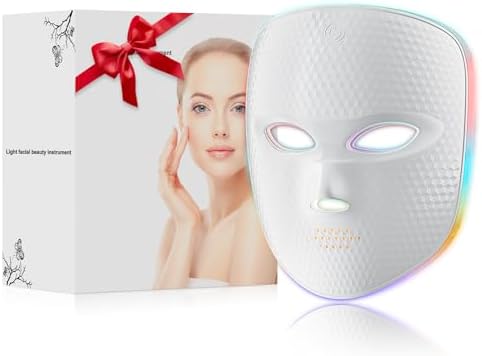
Incorporating infrared light therapy into your skincare routine can significantly enhance your skin’s health and appearance. There are various types of devices available, including handheld devices, masks, and full-body panels, each catering to different skin types and concerns. Choosing the right device is essential for achieving optimal results.
Handheld devices are portable and user-friendly, making them ideal for targeted treatment on specific areas of the face or body. They work well for issues like localized acne, scars, or wrinkles. Infrared masks, on the other hand, offer more comprehensive coverage for the entire face. These masks allow for a more uniform treatment and can be more relaxing to use. Finally, full-body panels are perfect for individuals looking for an extensive treatment to address issues like body-wide skin texture problems or pain relief.
When selecting an infrared device, consider your skin type. For sensitive skin, start with a low-intensity device to avoid any adverse reactions. Individuals with more resilient skin may opt for stronger settings. It’s advisable to consult with a skincare professional to tailor your infrared therapy to your specific needs.
The frequency of use will vary, but a common recommendation is to use the therapy two to three times per week for noticeable results. Each session should typically last between 10 to 30 minutes, depending on the device used and individual comfort levels. Additionally, pairing your infrared therapy with suitable skincare products can enhance its effectiveness. Look for serums or moisturizers containing antioxidants, hyaluronic acid, or peptides, as these ingredients work synergistically with the therapy to promote skin repair and rejuvenation.
By thoughtfully integrating infrared light therapy into your regimen, you can harness its full potential to reveal healthier, more radiant skin.
Safety Considerations
Although infrared light therapy presents numerous benefits for skin care, it is imperative to consider safety factors before initiating treatment. Infrared therapy is generally considered safe for many individuals; however, some potential contraindications should be noted. For instance, individuals who are pregnant, have active skin infections, or suffer from photosensitivity disorders are advised to consult a healthcare professional prior to engaging in infrared treatments. Additionally, those taking medication that may induce sensitivity to light should approach infrared therapy with caution.
Furthermore, individuals with certain skin types may also need to avoid or modify their infrared light therapy treatments. For instance, those with very fair skin might be more susceptible to adverse reactions and should limit exposure duration and intensity. Those with darker skin tones may experience different outcomes due to variations in skin pigmentation and should tailor their treatment plans accordingly. Therefore, assessing one’s skin type and condition with a qualified specialist can aid in determining the most effective and safest approach to infrared therapy.
Conclusion
In conclusion, infrared light therapy offers a promising avenue for enhancing skin health and achieving a radiant complexion. By understanding safety considerations and contraindications, individuals can better navigate their skincare options. Consulting with a healthcare professional before starting any new therapy is essential in order to develop a personalized and effective treatment plan. By embracing this innovative therapy while adhering to safety guidelines, one can unlock the transformative benefits of infrared light therapy, leading to healthier and more vibrant skin.